Wire Mesh Fence: Price and Toughness
There's a particular kind of liberty that comes with putting a perimeter on a tract. You can trim without roaming ideas, you can allow the canines work off their power, and you can stop complete strangers from treating your yard like a public route. A wire mesh fence is just one of one of the most direct means to obtain that clarity, and it has an online reputation for being practical instead of precious.
But "sensible" doesn't suggest "basic." Chain web link price and sturdiness differ greater than individuals anticipate, and the differences show up in the parts you hardly ever see after install: how the top rail is constructed, exactly how the posts are secured, whether the material is actually the grade you spent for, and exactly how the entire system manages stress when the wind begins bending everything.
I've watched the most effective fencings brush off tornados, and I've also seen average installs fall short in manner ins which could have been prevented with a various choice at the start. If you're shopping around, planning a job, or just attempting to recognize what you're really getting, below's how to think of chain link price and sturdiness like a person who will still enjoy with it in 5, ten, and twenty years.
The real reason chain link costs what it costs
Chain web link prices normally looks uncomplicated initially: you multiply video footage by a per-linear-foot number and include messages, hardware, and entrances. Then you start obtaining quotes that don't match, and suddenly the discussion is about scale, layer, message types, terminal design, and setup methods.
The greatest expense motorists often tend to be worldly specifications and the structure of the work, not the fact that it's chain link.
Fabric size and thickness matter since they change exactly how the fence acts under tension. Thicker cord generally costs even more and can be less complicated to work with when you need to stress the material appropriately. Scale belongs to that tale, but the larger image is just how much the fence will certainly bend, where it will fatigue, and just how quickly it will certainly reveal use at high-impact areas like driveways and gateway corners.
Coating is the other major motorist. Numerous wire mesh fence are galvanized, vinyl-coated, or both. The coating influences corrosion resistance, look, and life-span, particularly in coastal or snowy areas where salt or de-icing chemicals chew via less-protected metal. 2 fences can look comparable from the roadway, yet if one has a larger finishing or a far better protection system on corners and fittings, it will certainly age much more gracefully.
Then there's the "building" side. Articles, bracing, and gates are where toughness lives. A fencing with light-weight articles and minimal bracing can be cheap at installation and pricey later when it begins to droop, loosen up, or pluck the tension factors. A fence with correct terminals and solid end settings up costs more in advance since it utilizes much more steel and more labor, yet it often tends to remain tight.
A fence company could quote you a baseline per foot, after that change based upon site conditions. Sloped surface, rough ground, and bad dirt can push you toward larger post diameters or deeper grounds. Also if you're only changing a few inches of excavating depth, the labor accumulates fast.
What "resilient" actually implies for chain link
Durability for chain link isn't nearly whether the wire rusts. A chain link fence can corrode slowly and still stay meaning years, but it can still stop working functionally if it sheds stress, takes out of its terminals, or stretches in the wrong places.
From a useful standpoint, I think of resilience in 4 pails:
First is corrosion resistance, which is where finishings and post anchoring issue the majority of. If the fence is in wet ground, near sprinklers that perform at weird angles, or in an area with salted air, the layer needs to be tough sufficient to deal with those exposures.
Second is structural tightness. A fencing that bends too conveniently will tiredness its hardware. Depend upon gates will loosen. Ties that hold the textile can loosen up if the textile keeps relocating. The fence might still be "intact" while spoiling for its designated job.
Third is installment quality. Tensioning is not just tightening up till it feels great. Proper tensioning depends upon fabric size, climate condition, and how the fencing is ended. Inappropriate stress can cause creases that become stress factors, or it can overload weak terminals.
Fourth is the end assembly and gateways. Many failures I have actually seen occur at the edges and openings, not in the field of cable. Corner messages take pressure from several directions. Gateway blog posts take duplicated tons from people and automobiles. If those parts are underbuilt, the fencing will reveal it early.
Cost ranges you can anticipate, and why prices quote vary
It's appealing to request a solitary number. In reality, chain web link price is ideal thought of in ranges due to the fact that region, labor prices, and product specifications change. A fundamental chain link fence installed in one location can set you back significantly less than another, even when the complete direct video is the same.
To keep this grounded without claiming every job is identical, below's the functional means to frame budgeting:
- Material costs turn based on gauge and covering type.
- Installation expenses swing based on ground needs, whether the surface is very easy or challenging, and how many entrance sections you need.
- Hardware and terminals include a purposeful portion, particularly for huge or high-traffic gates.
If you're comparing bids, ask for a malfunction that consists of the fabric spec (gauge and finishing), the article kind and dimension, the quality of terminal messages, stress cable and installations, and the gate design. If one quote includes a stronger gate and appropriate end settings up and one more uses lighter articles, the "per foot" comparison will not be honest.
Also, ask whether the bid includes line posts at the common spacing you expect and whether it includes leading rail throughout the run. Some estimates concentrate on wire and articles and after that deal with rails and installations as add-ons. Those add-ons can be little individually, but they load right into genuine cash quickly.
The durability discussion: galvanized, vinyl, and combined approaches
Galvanized chain link prevails since it offers rust resistance with zinc covering. Its lifespan relies on density of the covering and the atmosphere. In dry inland areas, galvanized cable can last a long period of time with very little hassle. In coastal locations, or where snow elimination makes use of salt routinely, galvanized cord can show early thinning or roughness if the covering is lighter than what the environment demands.
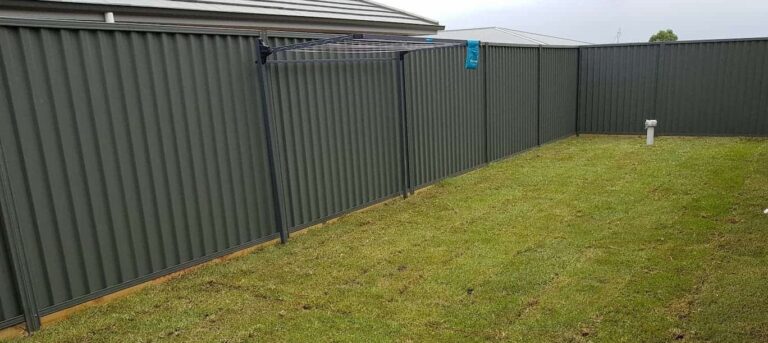
Vinyl-coated chain web link adds one more layer of defense and can look far better for property installs. The vinyl itself is not the major architectural security, the metal beneath is, however the layer can slow exposure and reduce the appearance of surface rust. The quality of the plastic coating issues. Cheaper plastic can become fragile over time, or it can chip at the wire flexes during set up, exposing the steel beneath.
Some systems use both, however the genuine concern is what you're in fact getting at the terminations and gateway hardware. Individuals commonly evaluate the fence by the fabric shade, yet the edges and gate fittings take the hits: wetness merging, scraping throughout operation, and stress from tension.
If your lawn has lawn sprinklers that hit the fence regularly, plan for more wetness direct exposure than a fence that just gets ambient rain. If you're in a windier location, plan for greater mechanical anxiety. Those problems affect how much finish and how much architectural assistance you truly need.
Posts, grounds, and entrances: where good fences different from sub-par ones
A chain link fence is a system. The fence textile is only part of the tale. Blog posts and footings are the backbone, and they identify whether the fence remains straight and maintains its stress after periods of expansion and contraction, freeze thaw cycles, and duplicated wind loading.
For toughness, the critical things are:
- Post product and size, consisting of whether the messages are created as line articles or incurable posts.
- How articles are set, including depth and whether concrete is utilized where needed.
- How the fencing is braced and just how incurable corners are built.
- Gate building, hinges, latches, and the blog post they affix to.
In my experience, gateway hardware is the top place individuals notice troubles. An entrance that sags by an inch can create a bigger gap than you believe, which void is where curious kids, animals, and opportunistic pets find their way through. A strong gateway stays square even when the remainder of the fence obtains small movement.
One anecdote that maintains returning for me: a friend had a chain link fence mounted on a small slope. The fencing looked fine at set up, and the fabric was tight. After the initial winter, the fence in the reduced location started to look "taken a breath," suggesting it wasn't evenly tight. The messages weren't holding their placement through freeze thaw problems due to the fact that the footings weren't regular for the incline and dirt. The cable still existed, yet the feature weakened. The repair called for resetting and straightening terminal areas, which is much more job than doing it right the very first time.
So when you listen to "it's chain web link, it will certainly last," ask follow-up questions concerning the components that really make a decision whether it remains aligned.
A fast expense list you can make use of when you're contrasting quotes
Below is a short list of the things that have a tendency to swing the cost and also influence sturdiness. Utilize it as a contrast tool, not as a means to micromanage a team. If a fence company can respond to these plainly, you're possibly in great hands.
- fabric gauge and layer kind (galvanized, vinyl-coated, or both)
- post type and spacing, including terminal versus line posts
- top rail incorporation and rail type
- gate matter and gate hardware grade
- footing approach and exactly how the specialist deals with incline or rough soil
If a quote skips any one of these details or solutions them vaguely, you might still get a respectable fencing, yet you will not recognize what you're paying for.
Weather, dirt, and the type of abuse your fencing will take
If your residential or commercial property has a details stress pattern, your wire mesh fence should match it.
In damp, hefty soil, grounds can act differently than in sandy or rocky ground. If water drains improperly around blog post holes, rust can increase at ground level even when the rest of the fencing looks protected.
In freeze thaw areas, metal expands and contracts, and soil changes. That's why article deepness, concrete usage, and supporting issue. A fencing developed with marginal anchoring can lose tension with time also if the wire does not visibly rust.
In coastal areas, salt exposure and windborne wetness are a harsh mix. A coating that looks penalty after one summer season may not look fine after two winters months. The distinction in between a lighter and much heavier layer might be the difference in between "still solid" and "needs interest" well before you expected it.
Then there's human misuse. Places with children, sports, or regular lorry access will hit fence posts and gates more than the typical backyard. Pet dogs also change a fencing's lifespan. Not because dogs are destructive, however since repeated effects can loosen up ties and anxiety locations where the fabric fulfills hardware. If your pet dogs are energised or large, you'll desire a system that holds its positioning and tension.
How lengthy chain link actually lasts (and what shortens the timeline)
People love a clean solution like "it lasts 15 to twenty years." Occasionally that holds true, but it relies on atmosphere and setup quality. I've seen fences age gracefully for a long time when finishings and terminals are solid. I've also seen fencings need fixings far previously due to weak end settings up, loosened stress, or finishing damage at bends.
What shortens the practical life-span usually comes under predictable categories:
Improper tensioning causes drooping and irregular anxiety. Once the fencing begins sagging, it catches wind differently, and the cyclic motion puts on down hardware.
Poor corner and end terminal building and construction brings about very early loosening at corners. If the fence pulls away slightly, dampness can get involved in spaces and increase deterioration at steel call points.
Using lower-grade materials without recognizing it matters at discontinuations. A wire could stand up to corrosion decently in the area yet the hardware can be the weak link.
Neglecting small fixes. A curved tie wire, a missing fastener, or a small gap at a gate could appear minor. Over time, it comes to be a factor where material changes and where the fencing's stress system does its worst work.
Maintenance that pays for itself
Chain link upkeep is not extravagant, but it's not complicated either. Many durable chain link fences obtain little treatments at the correct time, not significant overhauls that could have been avoided.
Here are the upkeep checks I would certainly do on a seasonal rhythm, specifically for residential fences revealed to hefty weather or family pet traffic.
- Walk the perimeter after tornados and seek sagging at runs and looseness at corners
- Check entrance placement and lock feature, tighten up joints if eviction shifts
- Inspect ground-level blog posts for rust places, leaning, or swelling at concrete edges
- Replace damaged ties and fixing harmed areas before the material begins to pull
- Hose down salt or debris accumulation if you're near roadways treated with de-icers
This is additionally the moment to believe like a homeowner with a plan. If you keep up with small repair services, you can expand the helpful life of the fencing fabric and delay larger replacements that cost more than the majority of people expect.
The hidden sturdiness problem: tension and textile deformation
Even when materials are excellent quality, chain link can fall short functionally because of deformation.
Chain link fabric extends when it is tensioned correctly, yet it needs to continue to be uniform. If you see waves, slack loops, or irregular rigidity along the run, that informs you something regarding just how it was set up. Gradually, those flawed locations become points where the fence experiences amplified movement throughout wind gusts. That activity loosens up ties and speeds up deterioration where the metal rubs.
Weather at install matters too. Tensioning in severe heat or severe cold can transform exactly how the material behaves after temperatures normalize. You could not manage the weather, yet a great installer adapts, verifies stress as conditions shift, and avoids requiring problems during installation.
Choosing height, top rail, and safety and security considerations
Fence height influences both cost and functionality. Taller fences make use of more product, and they additionally enhance wind load on the framework. For toughness, wind load translates right into even more pressure on articles and supporting, which implies extra robust incurable assemblies and rail systems.
Top rail is frequently a small line thing in the quote, yet it alters exactly how stiff the fence feels. Without it, the leading side of the textile can flex much more, which makes the fencing look a little looser and can worry the tension factors in a different way. In domestic settings, leading rail additionally improves the feeling of the boundary line and can make the fence less complicated to keep because the fabric rests extra uniformly.
Safety considerations matter also. If you're fencing around a swimming pool or a high-traffic location, you require to align with regional demands. The sturdiness conversation ought to include not just "will certainly it last," yet "will certainly it stay risk-free and protected as it ages."
DIY versus hiring a fencing company
I'll be blunt. Chain web link is one of those products that looks manageable up until you struck the first edge and realize the fence is only as straight as your terminals.
DIY can help little projects with basic runs, secure soil, and very little gate work. But if your home has incline, multiple entrances, or complex terminal layouts, the danger of uneven stress increases. Irregular stress leads to sagging, and sagging bring about repairs.
Hiring a fence company can set you back more per foot, but you're paying for the components that are hardest to get right without experience: terminal alignment, tensioning strategy, proper bracing, right message set depth, and entrance hardware installation.
I have actually additionally seen do it yourself tasks where the product quality is great yet the post anchoring is as well light for the atmosphere. You then end up with a fencing that looks "mostly best" and feels unsatisfactory after a couple seasons. If you're going to place in the moment and effort, you desire the fencing to be done once.
Questions worth asking before you sign anything
If you intend to prevent the shocks that turn "spending plan fence" into "paid twice," ask direct inquiries. Not combative concerns, simply the kind that clear up scope and specs.
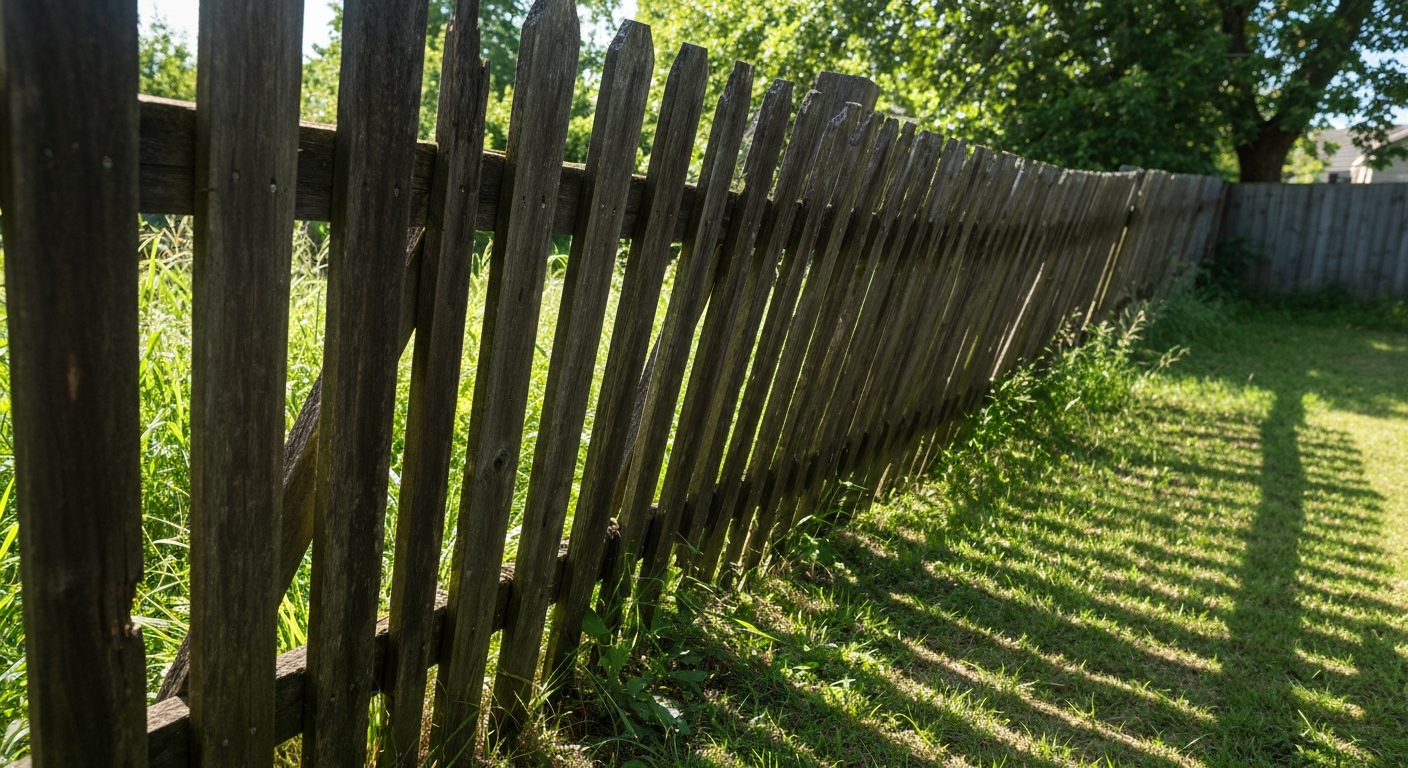
What gauge material is consisted of? What finish type? What are the message dimensions and article spacing? Are terminal messages strengthened? How are edge posts supported? What entrance equipment is used, and is the gate constructed from matching products or lighter components?
Also, ask exactly how the service provider takes care of irregular ground. A credible installer ought to have the ability to discuss how they adjust blog post spacing or ground deepness on incline, as opposed to presuming the same method works everywhere.
If you can obtain those solutions plainly, you're comparing sturdiness, not simply price.
Putting everything with each other: just how to balance cost and durability
The smartest strategy to chain link is to invest cash where the fence's failure modes live: terminals, articles, grounds, gateways, and the requirements of finishing and cord scale. Save money where it doesn't impact feature, like choosing a less complex color choice if appearance is adaptable, as long as the underlying coating and metal quality stay strong.
If you're attempting to keep expenses down, do not reduced in the wrong areas. A more affordable quote that makes use of lighter incurable blog posts and much less robust entrances might look eye-catching today, however if that system loosens after a couple of seasons, you'll pay once more in repairs, substitutes, or partial rebuilds.
On the other hand, you do not need to buy one of the most expensive products offered if your atmosphere is moderate and you're not taking care of heavy loads. If you're inland, not near salt, and your fence sees minimal influences, a well-specified galvanized or properly layered system https://s3.us-east-005.backblazeb2.com/offcut/timber-fencing/how-to-vet-a-timber-paling-fence-contractor-prior-to-you-sign.html can be a practical sweet spot.
The "long lasting" fencing is the one that matches your website and your habits, not the one with one of the most marketing language.
A last method to assume like an owner, not a shopper
Imagine the fencing you're building still looking strong after winter season, after summer warm, after a couple of storms that whip the lawn around. Visualize your gateway shutting smoothly without you climbing up a ladder to adjust joints and without you strolling the perimeter hunting for slack spots.
That end result comes from a technique that treats chain link like facilities, not like a temporary obstacle. When you focus on message anchoring, incurable construction, tensioning, and layer quality, chain link earns its reputation. It doesn't require excellence, however it does compensate the choices made at the beginning.
If you're chatting with a fence company currently, bring the discussion back to those foundations. The goal isn't just "lowest installed cost," it's the most affordable expense of ownership. That's when chain web link starts to really feel less like a concession and more like a reputable border you can count on.